When music lovers think of ska, they may picture the infectious rhythms and upbeat brass of Jamaican originators like Prince Buster, Desmond Dekker, or The Skatalites—the first wave of ska, which emerged in the late 1950s and early ’60s. The genre’s syncopated grooves, mingling Caribbean mento with American jazz and rhythm and blues, later gave birth to rocksteady and reggae. But ska didn’t just stay in Jamaica…
By the late 1970s, a second wave—commonly known as the 2Tone movement—took hold in the UK, led by bands like The Specials, The Selecter, and The Beat. Mixing punk’s aggression with the infectious bounce of ska, the 2Tone sound tackled themes of racial unity and working-class frustration. It was raw, danceable, and political—and it inspired a generation.
Now, more than 40 years later, ska is still alive and skanking, thanks to a new generation of artists committed to keeping its spirit intact. One of the leading groups in the current UK scene are the Dakka Skanks, a five-piece band from Brighton that fuses ska, dub, reggae, and punk with unapologetic energy and lyrical defiance. Since forming in 2016, they’ve carved out a space in the modern music landscape that nods to tradition while pushing boundaries.
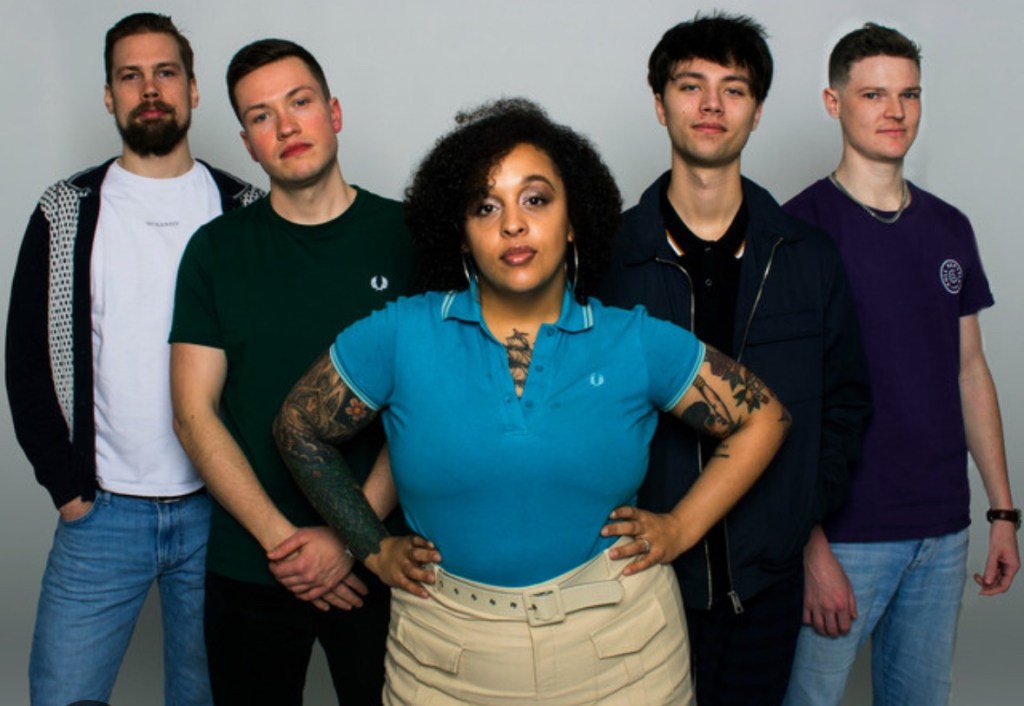
“We want to carry the message of unity and resistance that ska has always stood for,” says frontwoman Clara Byrne. “It’s not just nostalgia—it’s relevant. It’s needed.”

The Brighton Sound: Ska, Subculture, and the Spirit of Rebellion
Brighton, a vibrant coastal city known for its counterculture and diversity, has long been a haven for alternative scenes—from mods and punks to ravers and reggae heads. It’s here that the modern ska revival has found fertile ground. The city’s open-minded spirit and politically engaged youth culture have helped foster a new wave of bands who see ska not as a dated genre, but as a toolkit for expression.
Dakka Skanks exemplify this. Their 2018 album, Road to Brighton Pier, is a showcase of hard-hitting brass, dub-infused rhythms, and punk edge. It speaks to the local and the global, with tracks like “Ain’t a Skinhead” addressing a topic both contentious and often misunderstood: the skinhead subculture.
“The term ‘skinhead’ is so loaded these days,” Clara explains. “People hear it and think of racism, violence, far-right thuggery. But that’s not where it started—and we want people to know the truth.”
In the track’s spoken-word prelude, Clara sharply outlines the confusion:
“It’s all about the music, the dance, and the people—it’s all about the cultures.”
This line is more than a lyric. It’s a manifesto. Originally, the skinhead movement in late-60s Britain was born from a cross-cultural exchange between white working-class youths and Jamaican immigrants, embracing reggae, ska, and the rudeboy fashion. Over time, however, far-right factions co-opted the look, distorting its roots. In Brighton, where progressive politics often prevail, there’s a growing push to reclaim that heritage.
“You’ll still find sharp-dressed skins at our gigs,” says Clara, “but they’re the real deal—boots, braces, and unity. Anti-racist to the core. That’s the original skinhead ethos, and we’re proud to keep it alive.”
This revival of ska in Brighton and beyond isn’t just aesthetic—it’s philosophical. It’s about challenging appropriation, standing against bigotry, and reviving solidarity through the power of rhythm and lyrics. In recent years, the ska-punk hybrid has surged once again in the UK, with bands like Death of Guitar Pop, Buster Shuffle, and Popes of Chillitown joining Dakka Skanks in creating fresh, relevant material for a new generation of fans.

Reworking the Legacy: ‘Reworks’ and Reinvention
In September 2024, Dakka Skanks unveiled Reworks, a four-track 10” coloured vinyl project that celebrates their roots and reimagines them. Each month, the band dropped a single reinterpretation—two ska tracks and two punk tracks from iconic artists, all infused with the “Dakka” treatment.
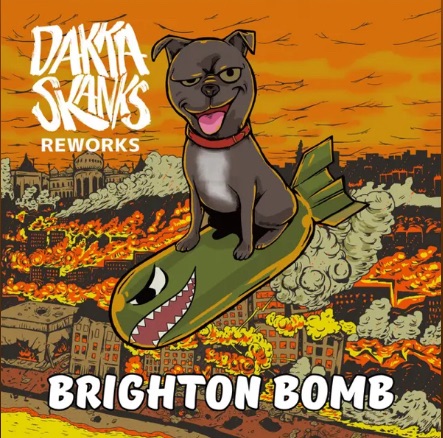
“We wanted to take these classic tracks and run them through our filter,” Clara says. “So we ‘Dakka-fied’ them—changed the tempo, added dub breaks, rewrote arrangements. It’s like showing respect while making it ours.”
The release has been warmly received by fans and critics alike. Available on streaming platforms like Spotify, the tracks range from energetic punk bangers to slow-burn ska deep cuts. Though the original artists remain unnamed, the influence of groups like Operation Ivy, The Clash, and early Toots & The Maytals can be felt throughout.

Skanking Across the Nation—and Beyond
Over the past eight years, Dakka Skanks have grown from a local Brighton outfit to a nationally recognized live act. They’ve played across the UK, expanding their circuit along the London-Brighton route and appearing at festivals, bars, and major venues. Along the way, they’ve shared the stage with genre legends including Neville Staple (The Specials), Madness, and even The Skatalites—living links to ska’s rich legacy.
They’ve also forged a musical alliance with Los Fastidios, an Italian five-piece known for their anthemic ska-punk and fierce anti-fascist stance. The two bands often collaborate for shows and mini-tours, bringing together a pan-European skanking spirit that transcends borders.
“When we play with Los Fastidios, it’s electric,” Clara says. “The messages, the energy, the crowd—it’s like we’re all part of the same movement. That’s what ska’s about.”

As long as bands like Dakka Skanks are making music, ska isn’t just surviving—it’s thriving. It continues to evolve, energize, and educate, reminding us that behind every upbeat groove is a deeper message: one of unity, equality, and resistance.
So lace up your boots, sharpen your braces, and get ready—because ska isn’t just a genre. It’s a revolution with a brass section.
“Ska has always been about movement,” Clara smiles. “Whether it’s feet on the dance floor or people fighting for change—we’re here to keep it moving.”



 2MUCH 2RUDE