How Northern Soul Survived the Clubs, the Crates, and the Cracks of Time
In the early hours of a Sunday morning in 1973, in a sweat-drenched hall beneath Wigan’s now-legendary Casino Club, a thousand young dancers twirled, slid, and stomped their way through another all-nighter. The floor was powdered with talc, the air heavy with anticipation, and the records spinning weren’t chart-toppers or stadium anthems—but obscure, overlooked soul cuts from across the Atlantic. No one could’ve guessed that they were witnessing the peak of a subculture that would span decades, define fashion and identity, and live on—half a century later—in places like Bristol, Tokyo, and even TikTok.
This is Northern Soul. A genre. A dance. A feeling. A faith.
Born from Obscurity
Northern Soul was never meant to go mainstream. It was born in the cracks—out of the Mod movement in the late ’60s and driven by British youth searching for something real, emotional, and danceable. These kids had grown tired of the psychedelic sounds dominating the airwaves. They wanted rhythm, grit, and soul—specifically the raw, unpolished kind that never quite made it onto Motown’s platinum-lined roster.
What they found was a treasure trove of discarded 45s from American labels like Okeh, Ric-Tic, Brunswick, and Kent—songs that had failed to chart but burned with emotional intensity and groove. Tracks like Gloria Jones’ “Tainted Love” and Frank Wilson’s elusive “Do I Love You (Indeed I Do)” became anthems, not because they were hits, but because they were secrets. And in Northern Soul, secrets were currency.
By the early 1970s, clubs across Northern England and the Midlands were becoming hubs for this underground phenomenon. Manchester’s Twisted Wheel laid the foundations, but it was Wigan Casino, Blackpool Mecca, and the Golden Torch that defined the scene’s mythology. Soulies would bunk trains, hitch rides, and travel miles just to be part of the all-night rituals—dancing until sunrise to records few had heard, in places only the faithful could find.
The Dancefloor Uniform
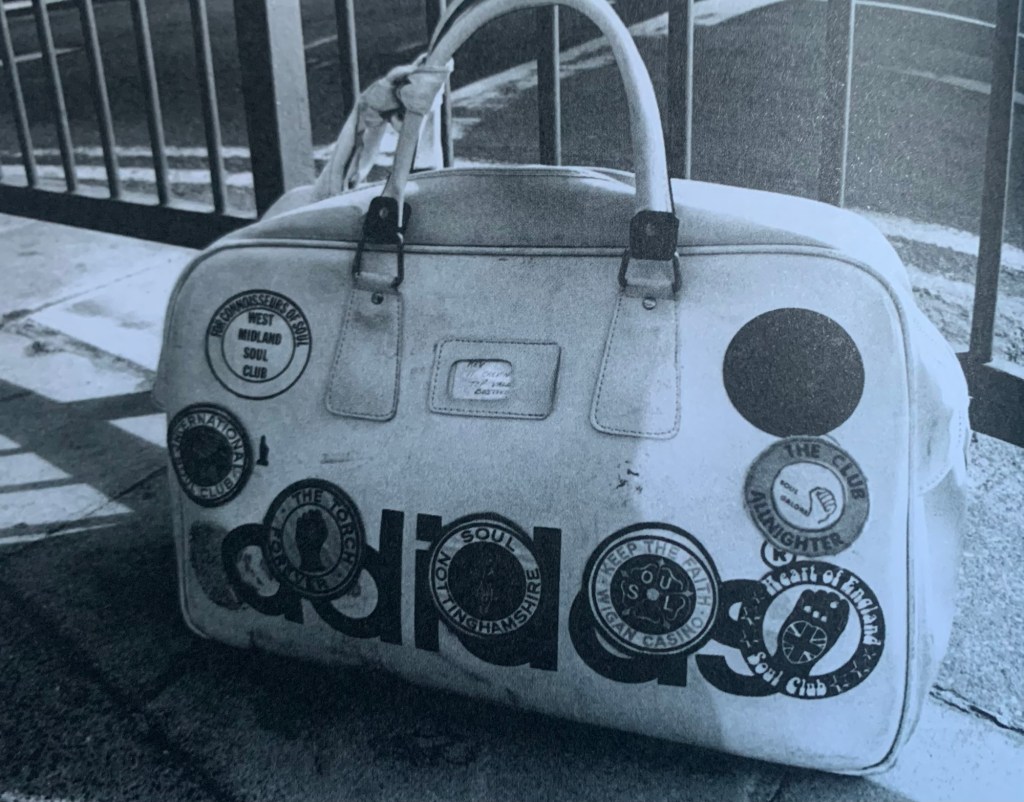
Northern Soul was more than music; it was a look, a ritual, a culture. On the dancefloor, the style was utilitarian: loose-fitting trousers for high kicks and spins, Fred Perry polo shirts soaked in sweat by midnight, and trusty Adidas or Lonsdale holdalls—always packed with talcum powder for smoother moves and patches that told stories of clubs conquered.
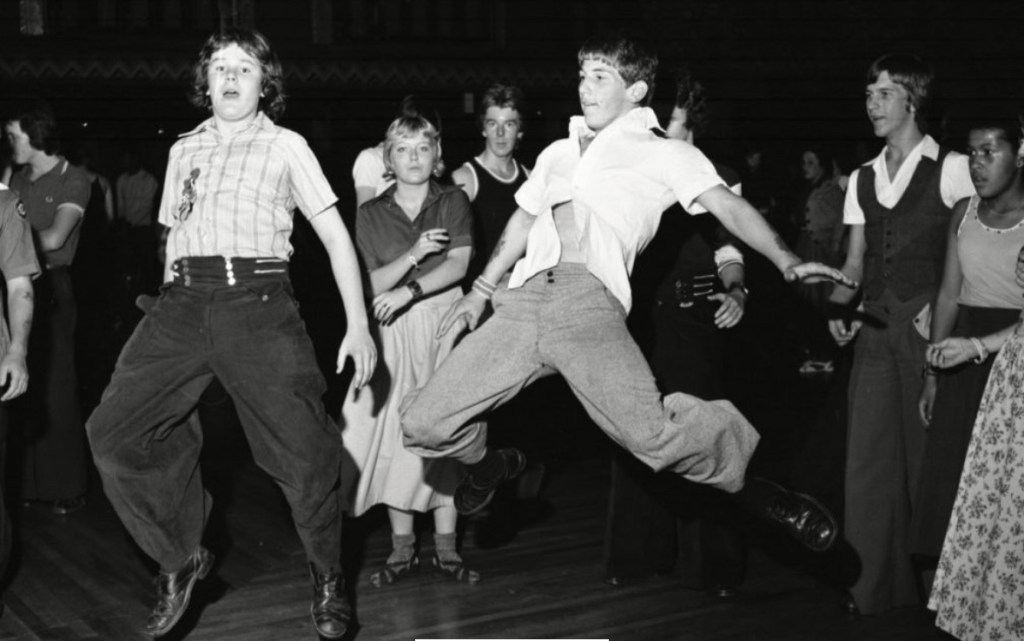
This wasn’t dancing in the traditional sense—it was a full-body workout, athletic and expressive. High jumps, backdrops, spins, and footwork routines turned soulies into dancers and dancers into legends. It wasn’t about showing off, though—it was about surrender. Losing yourself in the beat, in the moment, in the groove.
Faith in Bristol
Fast-forward to the present day, and the soul still burns. One of the UK’s most active and passionate Northern Soul communities exists in an unlikely spot: Bristol. Home to the Bristol Northern Soul Club, this modern-day movement keeps the faith alive, offering a sanctuary for crate-diggers, dancefloor devotees, and newcomers alike.
“There’s something magical about it,” says Beth, a regular attendee who first discovered the club by accident. “I’d never heard of Northern Soul, but the energy hooked me. It’s addictive—the people, the music, the passion. Now I go as often as I can.”
Bristol’s scene is refreshingly diverse. University students dance alongside seasoned veterans; vintage vinyl collectors share tips with digital DJs. And at its heart lies a communal love for the music. Unlike many modern club nights focused on spectacle, here it’s all about the sound—and the stories behind it.
Another member, Jake, was introduced to Northern Soul by a friend. “I didn’t even like dancing before,” he laughs. “But this music—it gets in your bones. And the community’s just so welcoming. No one judges. Everyone’s here for the same reason.”
Digging for Gold
One of the enduring thrills of Northern Soul is the hunt. DJs and collectors scour charity shops, estate sales, and dusty U.S. record stores in search of that elusive track—the rare 7-inch that no one else has. It’s crate-digging elevated to a near-religious experience.
Arleen McKee, a Bristol club member and dedicated vinyl collector, found his way into the scene through YouTube videos of forgotten soul gems. “I started tracking down records that weren’t available anywhere else. There’s something sacred about finding a track that’s been forgotten for decades, giving it new life on a dancefloor. It’s like time-travel.”
He also sees potential in Northern Soul connecting with modern audiences. “There’s a gap in today’s youth culture—a kind of disconnection,” he says. “Northern Soul offers community, ritual, authenticity. It’s not about trends; it’s about feeling something deeply.”
Global Soul
Though it started in the UK, Northern Soul’s appeal has become global. In Japan, there’s a cult following, complete with rare record expos and soul dance battles. In Germany, Italy, and Australia, the scene continues to grow, often blending with local styles. And in the digital age, younger fans are discovering Northern Soul through streaming playlists, documentaries, and TikTok tributes to the dance styles of Wigan legends.
Still, purists argue the soul of the scene is best preserved through vinyl and sweat—through the faithful who show up, week after week, to keep the music alive.
Essential Spins
If you’re just starting your journey into Northern Soul, here are a few tracks recommended by Bristol Northern Soul Club members:
- “I Want Your Lovin’” – Backyard Construction
- “If You and I” – Magic Night
- “I’ve Had It” – George Smith
- “The Night” – Frankie Valli & The Four Seasons
- “Seven Days Too Long” – Chuck Wood
- “Landslide” – Tony Clarke
These aren’t just songs—they’re time capsules. Each one tells a story. And together, they form the soundtrack of a scene that refuses to die.
Keeping the Faith
Northern Soul has survived the rise and fall of music trends, the death of vinyl, and the digitization of everything. Why? Because it’s more than a sound. It’s a subculture built on passion, discovery, and community—a reminder that sometimes, the music that moves us most is the music the world forgot.
As long as there are dancers, DJs, and dreamers willing to dig through dusty bins or glide across talc-covered floors, Northern Soul will live on—not in the spotlight, but exactly where it belongs: underground, authentic, and full of heart.
And that’s what it means to keep the faith.


 2MUCH 2RUDE